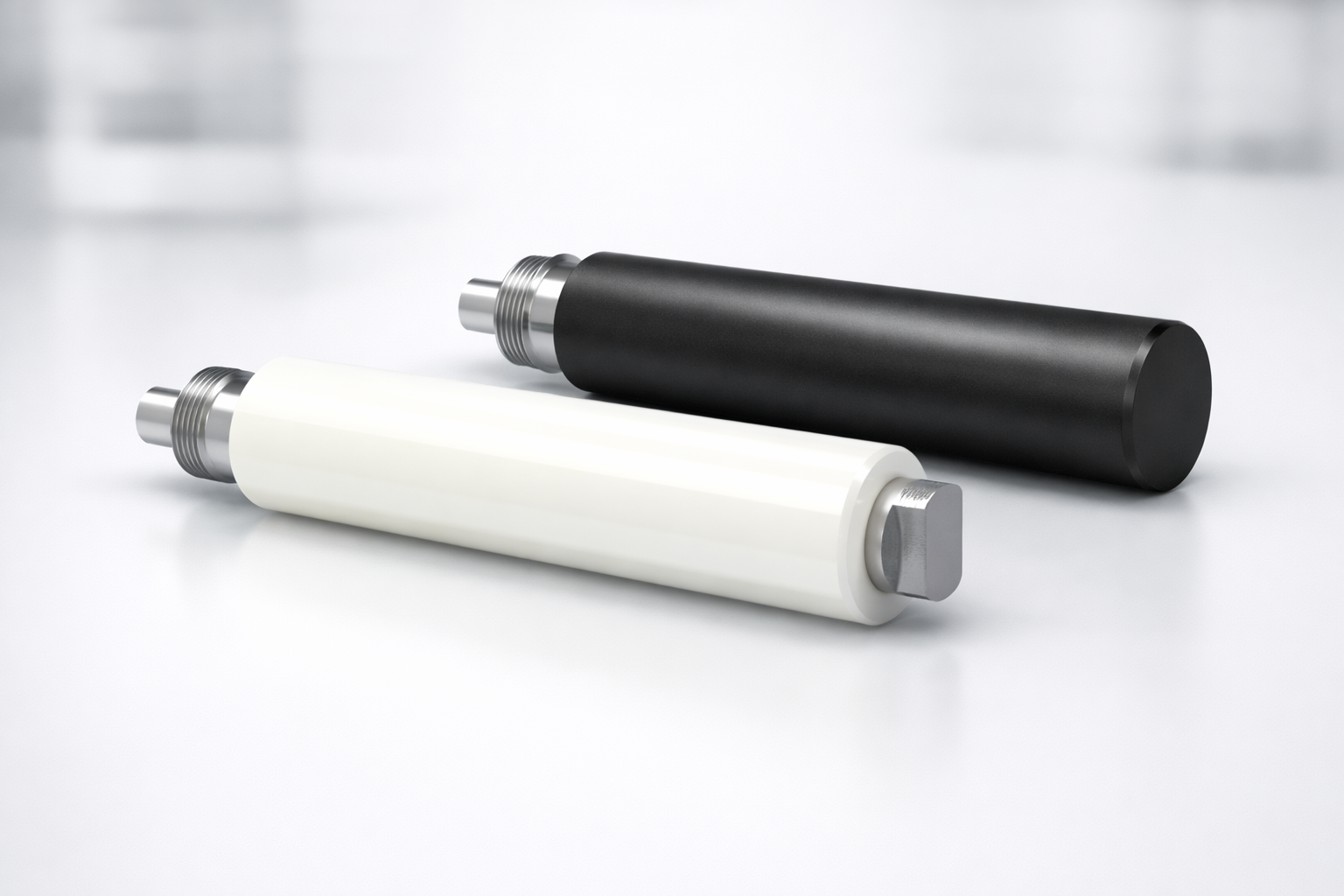
In increasingly demanding industrial environments – high pressures, abrasive fluids, aggressive chemicals or continuous operating cycles – sealing systems are no longer a secondary component but a critical element of the process.
In this context, zirconia mechanical seals stand out as an advanced solution to improve reliability, reduce maintenance and extend the service life of rotating equipment.
The key question is not what zirconia is, but when it makes sense to use it and what real problems it can solve compared to other materials.
What are zirconia mechanical seals and how do they work?
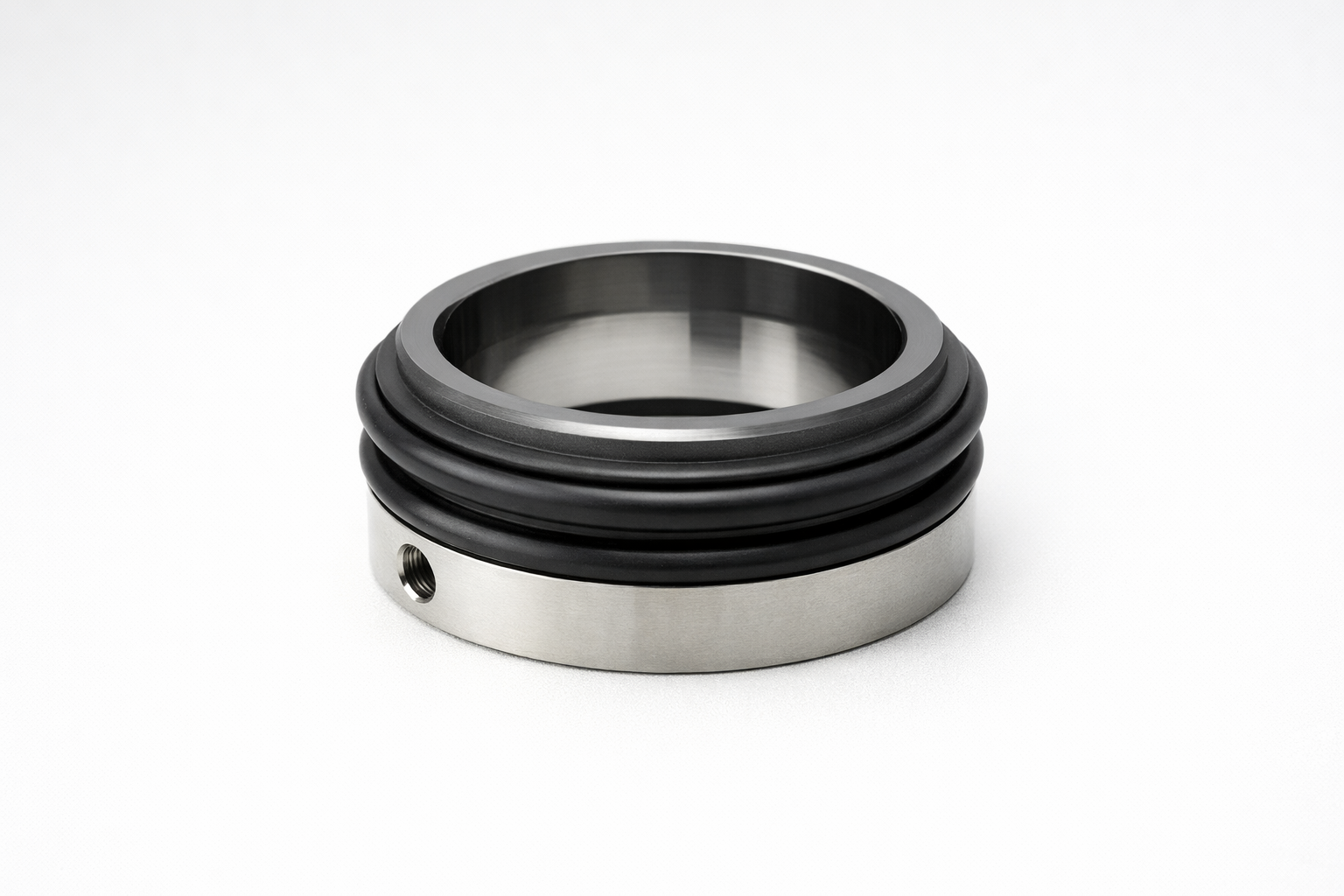
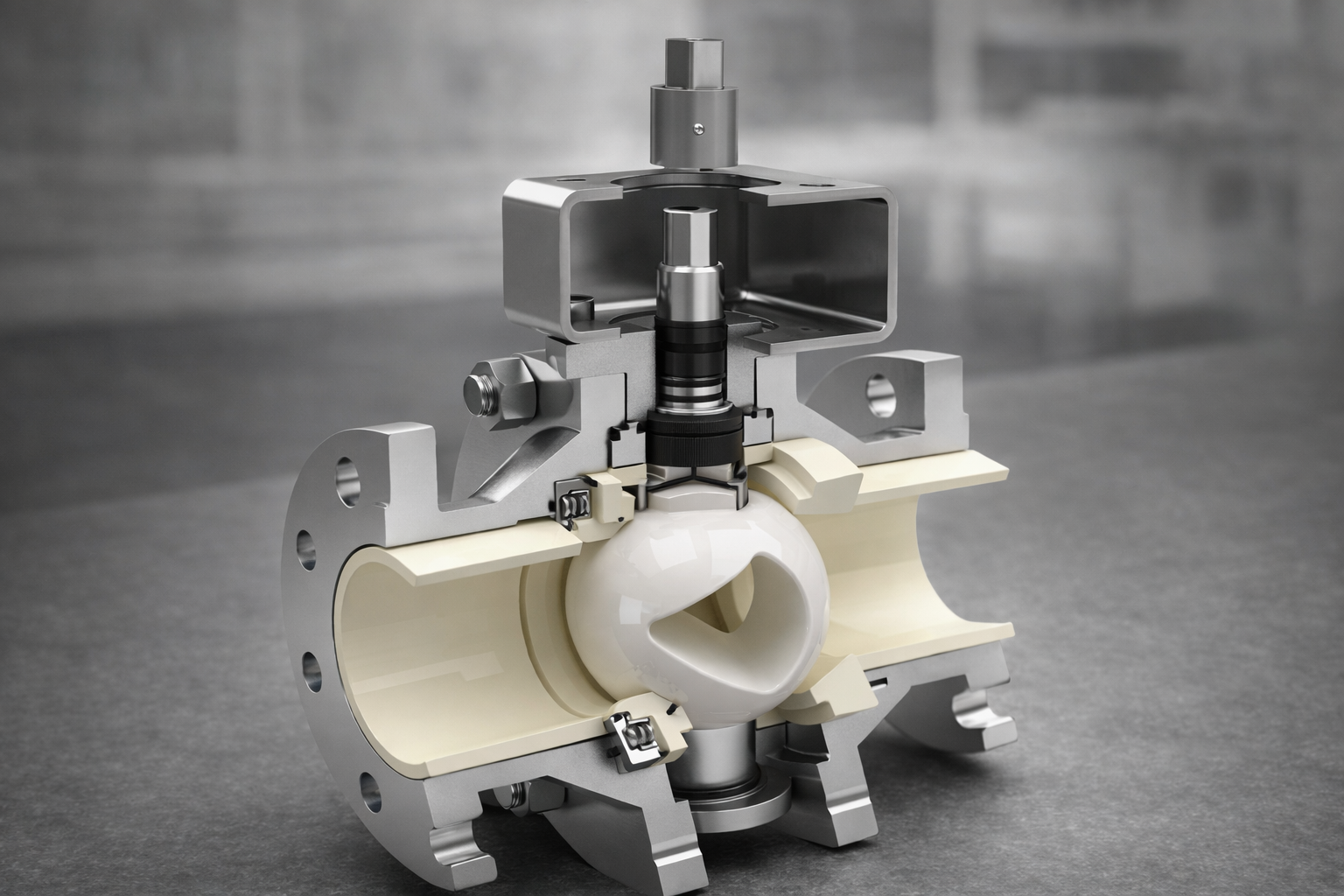
Mechanical seals are designed to prevent fluid leakage in rotating equipment such as pumps, agitators or compressors. Their operation is based on a simple but highly precise principle: controlled contact between two flat surfaces.
Basic operation of a mechanical seal
A mechanical seal is composed of two main elements:
- Rotating face, attached to the shaft
- Stationary face, fixed in the casing
These surfaces remain in constant contact, generating a thin fluid film that allows sealing without impeding movement.
The key is balance: enough contact to avoid leakage and enough lubrication to minimize wear.
The role of zirconia on the sealing face
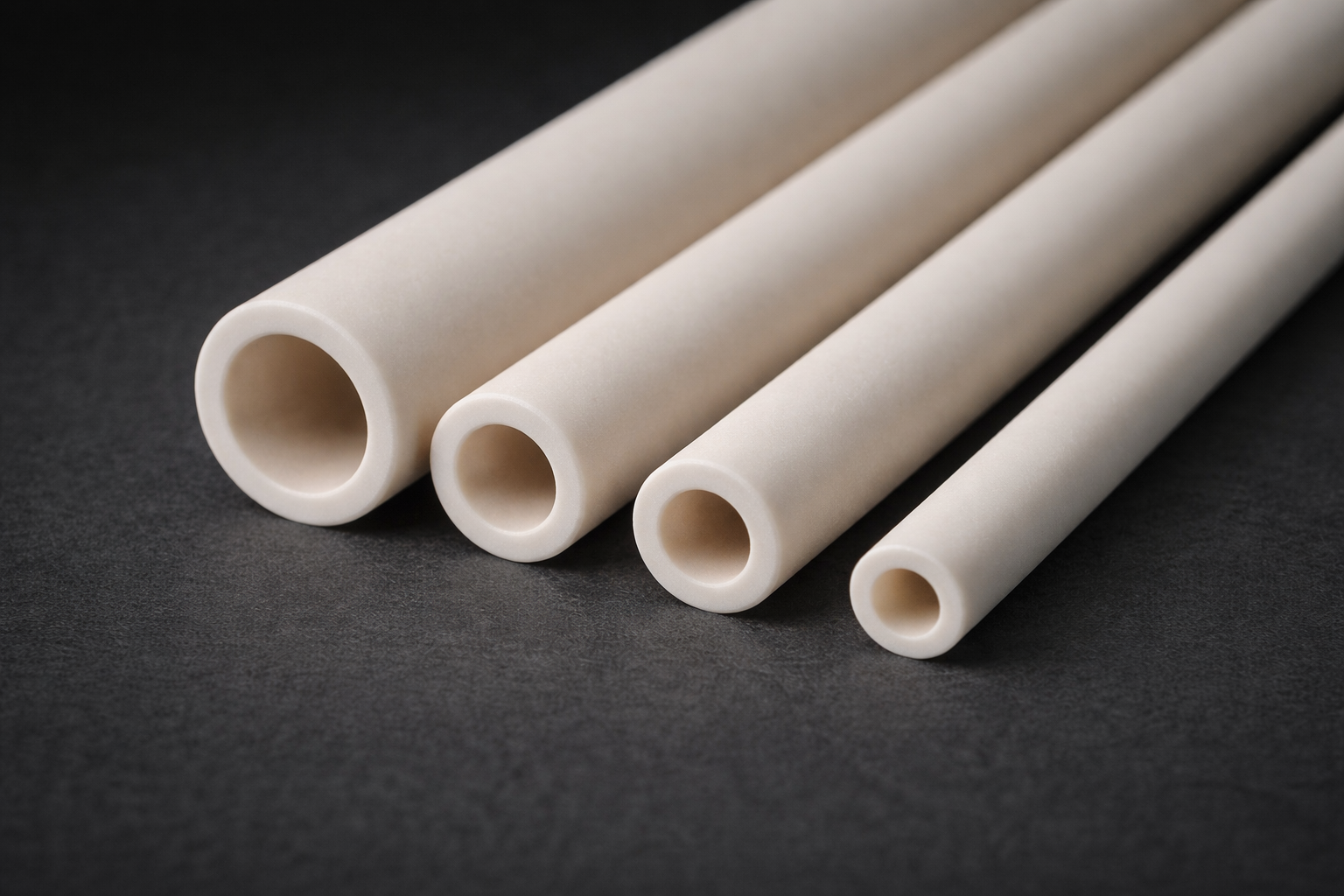
Zirconia (zirconium oxide, ZrO₂) is typically used on one side of the seal, where the material is subjected to continuous contact, pressure, friction and chemical attack.
Unlike other ceramics, zirconia combines high hardness with high toughness, which allows it to resist both wear and mechanical stresses such as impact or vibration.
This makes it a particularly suitable solution in applications where more fragile materials tend to fail.
What differentiates standard seals from advanced material solutions?
In standard applications, materials such as alumina may be sufficient. However, as operating conditions become more demanding, common problems arise:
- Premature wear
- Leaks
- Cracks or breaks
- Unplanned stops
In these situations, advanced ceramic materials such as zirconia allow a significant improvement in performance and reliability.
Why choose zirconia over other materials in mechanical seals?
Material selection in a mechanical seal has a direct impact on service life, process stability and maintenance costs.
Key properties of zirconia in sealing applications
Zirconia offers a unique combination of properties:
- High hardness → excellent resistance to abrasive wear.
- High toughness → reduced risk of breakage
- Low porosity → improved sealing capability
- High chemical resistance → suitable for aggressive media
- Good resistance to thermal shock
- Low thermal conductivity → less thermal deformation
This combination makes it a particularly effective solution in demanding operating conditions.
Actual comparison: zirconia vs. alumina, SiC and tungsten carbide
Zirconia is often compared to three main materials:
Alumina (Al₂O₂O₃)
- More economical
- More fragile
- Shortened service life under demanding conditions
Silicon carbide (SiC)
- Excellent thermal and chemical resistance
- More sensitive to shock and vibration
- Risk of fracture in unstable conditions
Tungsten carbide (WC)
- High mechanical strength
- Increased weight
- Lower chemical resistance in certain environments
Zirconia offers a balanced solution, combining wear resistance with the ability to absorb mechanical stresses.
Typical problems solved by zirconia
Zirconia is frequently selected to solve specific operating problems:
- Repetitive failures with silicon carbide components
- Accelerated wear in alumina
- Leaks due to loss of flatness
- Failures due to vibration or start-up
In these cases, zirconia acts as a reliability enhancement rather than a simple alternative.
Where zirconia mechanical seals add the most value
Zirconia is not necessary in all applications, but in certain environments it becomes a strategic choice.
Industrial pumps in demanding conditions
Applications with:
- High pressure
- Presence of abrasive particles
- Continuous operation
Zirconia reduces wear and improves seal stability.
Chemical industry and aggressive fluids
The chemical resistance of zirconia makes it suitable for:
- Acids
- Basis
- Solvents
This prevents premature degradation and prolongs service life.
High reliability sectors
In industries such as:
- Feeding
- Pharmaceuticals
where cleanliness and process stability are critical, zirconia offers low porosity and predictable performance.
Applications where other materials fail
The value of zirconia becomes evident in cases with a history of problems:
- Short seal life
- Recurring failures
- High maintenance costs
In these scenarios, changing the material can significantly improve performance.
Critical design factors for zirconia mechanical seals
Performance depends not only on the material, but also on the design and application conditions.
Friction couple (combination of materials)
Seal performance depends on the combination of materials:
- Zirconia vs carbon (graphite) → most common configuration.
- Zirconia vs SiC → specific applications.
This directly influences friction, wear and heat generation.
Surface finish and roughness
To ensure sealing, the roughness must be extremely low:
- Standard: Ra < 0.2 µm
- Critical applications: Ra < 0.1 µm
Mirror polishing is essential.
Flatness and tolerances
Perfect flatness is critical. Minor deviations can lead to leaks, irregular wear and loss of performance.
Lapping processes are essential to achieve this level of precision.
Lubrication and dry running
Many failures are related to lubrication problems. Although zirconia performs better than other materials, it is not immune to dry running.
Assembly and integration
Improper installation may compromise performance:
- Inadequate tolerances
- Excessive interference
- Internal stresses
These factors can lead to premature cracking or failure.
When is it worth substituting other materials for zirconia?
The decision to change material should be based on technical and operational criteria.
Indicators that the current material is failing
- Rapid wear
- Recurring leaks
- Unexpected breakage
- Frequent stops
These are clear signs that the material is not suitable.
Technical evaluation vs. initial cost
Focusing solely on component cost can lead to inefficient decisions. The real impact includes:
- Production stoppages
- Maintenance labor
- Product losses
Zirconia usually reduces the cost per operating cycle.
Zirconia as a performance enhancer
The change to zirconia should not be seen only as a material substitution, but as an improvement in process reliability.
Real advantages of zirconia mechanical seals in operation
Longer service life and less maintenance
Its high wear resistance allows longer intervals between replacements and fewer interventions.
Increased process stability
Reliable sealing reduces variability and improves process control.
Reduction of total cost of ownership (TCO)
Although the initial cost may be higher, the reduction in failures and maintenance generates long-term savings.
Conclusion: zirconia as a strategic solution in industrial sealing
In many industrial environments, sealing problems are not caused by the design of the equipment, but by the choice of material.
Zirconia mechanical seals improve reliability, reduce maintenance and optimize equipment performance.
The focus shifts from the purchase of a component to operational stability and process continuity.
Looking to improve the performance of your mechanical seals?
If your system shows wear, tears or recurring leaks, it is likely that the current material is not adequate.
Steelceram develops advanced solutions in technical ceramics adapted to real operating conditions, with the objective of improving the overall performance of sealing systems.