Comparison of ceramic plunger vs. ceramic coating: is it worth making the leap to solid ceramics?
In industrial environments where every stop counts, the choice between a solid ceramic piston and a ceramic-coated piston can make all the difference. This article offers a clear and straightforward comparison based on the performance, durability and actual costs of each option in high-pressure pumps. Find out in this Ceramic Piston vs Ceramic Coated Comparison.
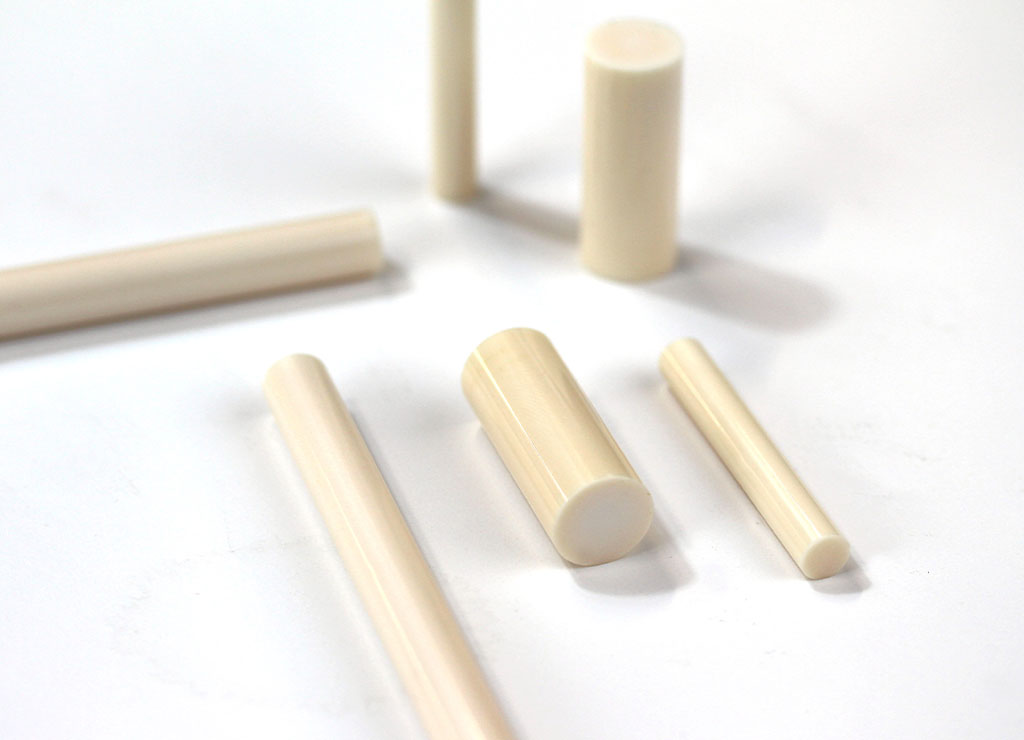
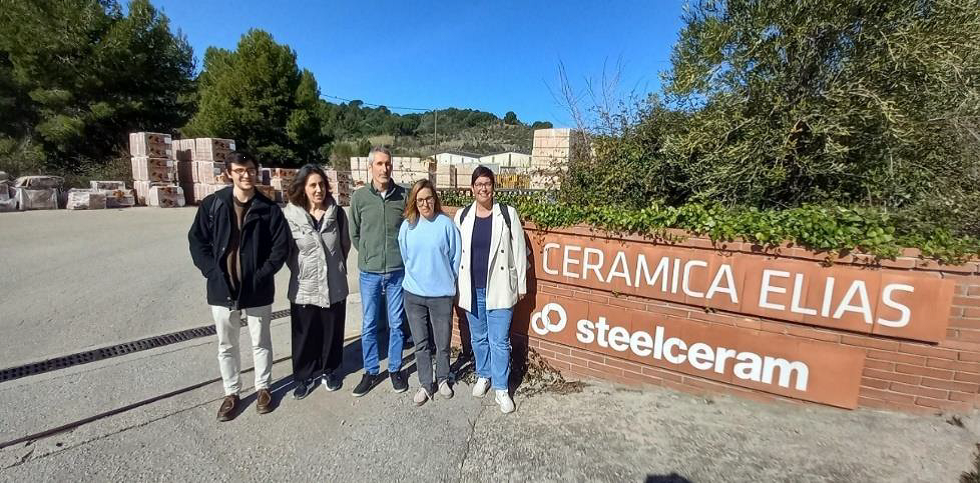
“At SteelCeram we manufacture standard and custom ceramic pistons. We can manufacture from your drawing, a sample or references of the most common models.”
What is a ceramic piston and what is a ceramic coated piston?
To make a sound technical decision, it is crucial to understand the structural differences between these two types of piston. Although both are used in high-pressure pumps, their composition and behavior under demand are radically different.
Ceramic piston (solid)
The ceramic piston is made entirely of technical ceramics – usually alumina or zirconia – by means of sintering processes that give it extreme hardness, high chemical resistance and minimum wear tolerance. Its homogeneous structure allows it to maintain stable dimensions even under high pressures, making it a robust solution for abrasive and corrosive environments.
Unlike metallic pistons, solid ceramic does not rust, does not deform and maintains its shape without compromising seals or volumetric efficiency. Moreover, in the event of operational failure – such as dry running – it retains its structural integrity, reducing damage to seals and preventing delamination.
Ceramic coated plunger
The ceramic-coated piston consists of a metal core (usually stainless steel or bronze) coated with a ceramic layer applied by thermal or plasma spraying, e.g. chromium oxide. This solution improves wear resistance compared to a conventional metal piston, without reaching the durability of a solid ceramic piston.
However, the main limitation of this type of piston appears under extreme conditions. In dry operation, for example, the coating can delaminate due to overheating, detaching from the metal substrate and causing direct friction with the packings. The result is a chain failure that requires immediate shutdown and replacement of several parts, not just the piston.
This type of solution may be sufficient for intermittent pressure cleaning applications or less aggressive processes, but is not ideal for intensive continuous use or abrasive fluids.

Technical comparison: Strength, reliability and performance in high-pressure pumps
In the high-pressure triplex pump environment, where dynamic loads, aggressive fluids and extreme temperatures are part of everyday life, the differences between a solid and a ceramic-coated ceramic piston become apparent. Here we analyze five essential technical parameters.
Resistance to wear and abrasion
Solid ceramic pistons made of wear-resistant alumina or zirconia offer an extremely hard surface (greater than 1,000 HV), which reduces erosion from continuous contact with particle-laden fluids. Coated pistons also offer surface protection; once the coating is worn away, the metal core is exposed and wear is rapidly accelerated.
Thermal tolerance and thermal shock
In processes where there are frequent starts and stops, or temperature changes in the pumped fluid, solid technical ceramics perform better. Thanks to its low thermal conductivity and high resistance to thermal shock, it maintains its dimensional stability. Coated pistons, by combining materials with different expansion coefficients, are more prone to micro-cracking and loosening.
Chemical corrosion and service life
In applications with chemicals, treated or demineralized water, technical ceramics are completely inert. Ceramic coatings can resist some chemical attack, but if porosity or micro-cracks are present, corrosive agents penetrate down to the base metal, accelerating degradation. This compromises service life and increases the risk of failure.
Dry running failures and gasket damage
A critical scenario is accidental dry running. In this case, the ceramic-coated piston overheats, the ceramic peels away from the metal, and direct friction damages packings and liner. The solid ceramic piston, with no parts to delaminate, maintains its integrity, protecting peripheral components.
Seal compatibility and maintenance
Although they require finer sealing adjustments, solid ceramic pistons generate less wear on packings and allow extended maintenance cycles. Coated pistons, on the other hand, deteriorate faster and require frequent replacement, which increases operating costs in the medium term.
Total cost of ownership: Which option is more profitable in the medium and long term?
Although the ceramic piston has a higher initial cost, its superior durability, lower wear and lower maintenance requirements make it a more cost-effective investment. It reduces unscheduled downtime and frequent replacements, optimizing the total cost per hour of operation in demanding high-pressure applications.
When to opt for each solution: Recommendations according to type of operation
The choice between solid ceramic piston and ceramic coated piston depends directly on the type of operation, pumped fluid and duty cycle.
Ceramic-coated pistons are suitable for intermittent applications, moderate pressures and environments where the fluid does not contain abrasive particles or aggressive chemical components. They are frequently used in low-intensity pressure cleaning tasks or in auxiliary equipment with short cycles.
Solid ceramic pistons, on the other hand, are ideal for intensive, continuous or semi-continuous applications where abrasive, caustic or cavitation-prone liquids are pumped. They are also preferred when high reliability is required, for example in industrial cleaning with hydrojetting, chemical plants, or processes with hot fluids and unstable conditions.
In environments where an unscheduled shutdown involves high costs or operational risks, the use of technical ceramics becomes not an option, but a strategic decision.
Final reflection: is it time to change the paradigm?
Technical ceramics is no longer a promise of the future, but a tool of the present for those who demand more from their equipment. The solid ceramic piston is not just a more durable component: it is a way to reduce inefficiencies, anticipate failures and raise industrial reliability standards.
Adopting it means changing the approach: stop seeing spare parts as an inevitable routine and start designing processes around endurance, precision and efficiency. When downtime costs more than the part, ceramics is no longer a luxury but a necessity.