steelceram

CERAMIC WIRE GUIDE

Ceramic Yarn Guide for Wiring and Textile Processes

The ceramic wire guide, also known as dimple, ceramic eyelet or ceramic bridge, is an essential part in the industrial wiring and textile processes. Manufactured from high quality alumina and with a polished interior, this component ensures smooth and precise guiding, minimizing yarn wear and maximizing process efficiency.

Ceramic Eyelets made of alúmina SteelCeram Spain

Industrial Application

Ceramic wire guides are used in a wide range of industries, such as:

  • Cable industry: Manufacturing processes and laying of electrical, fiber optic and other conductors.
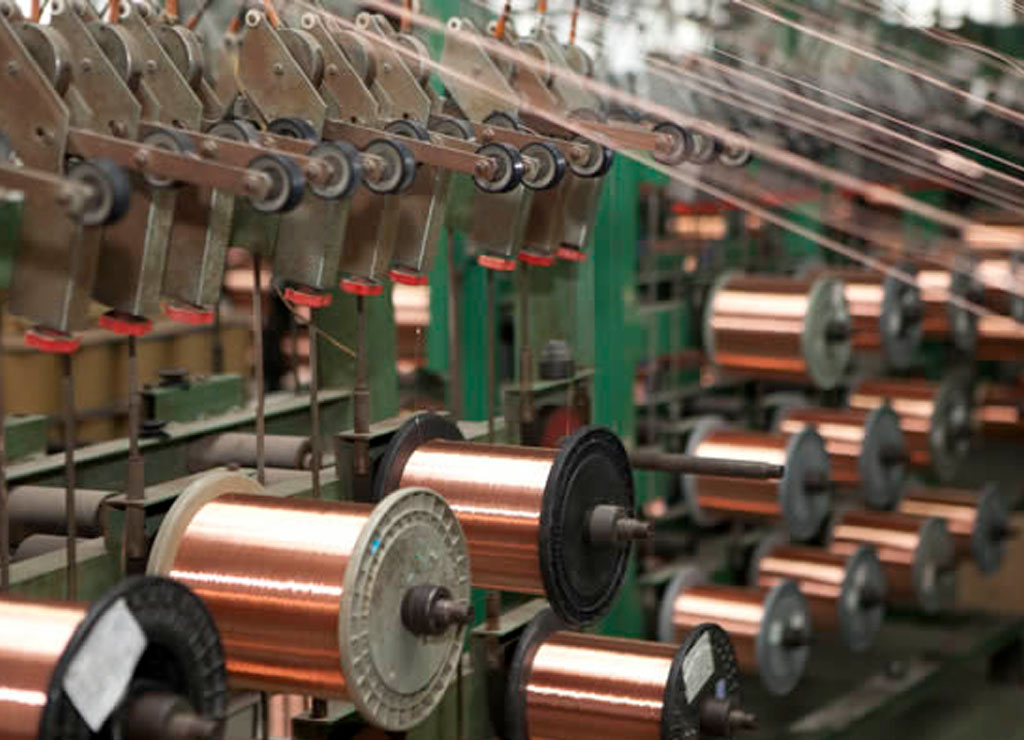
  • Textile industry: Spinning machinery, weaving and production processes of synthetic and natural fibers.
  • Drawing processes: Handling and guiding of wires and filaments in industrial processes.

  • Type of Technical Ceramic

    Manufactured in technical alumina (aluminum oxide), these wire guides stand out for their hardness, wear resistance and low friction, which protects the wires and cables during their passage through the component.

    Thanks to their wear resistance and polished surface, these guides guarantee a continuous and uninterrupted process."

    Gray geometric dodecahedron with triangular facets | Steelceram

    PRODUCT DETAILS

  • Wear resistance: Ideal for continuous processes with constant contact of wires and cables.
  • Polished interior: Smooth surface minimizes friction and prevents yarn damage.
  • High hardness: Manufactured in alumina, they ensure a long service life without deformation.
  • Low friction: Facilitates yarn passage without clogging or premature wear.
  • Versatility of shapes: Available in different shapes such as dimples, eyelets and bridges, adapted to every need.
  • Thermal stability: They withstand high temperatures without losing their properties.

  • CONCLUSION

    SteelCeram ceramic wire guides are the ideal solution for industrial wiring and textile processes that require precision and durability. Manufactured in alumina with a polished interior, they guarantee efficient operation without premature wear. Optimize your production with high-quality components that ensure consistent and reliable guidance.

    What materials are ceramic thread guides made from?

    The ceramic thread guides, also referred to as ceramic eyelet wire guide, ceramic wired drawing rings, or ceramic yarn guide for wiring, are components designed to guide threads, filaments, or wires in continuous industrial processes. Their function is to ensure precise and uniform material movement throughout the machinery.

    In applications such as cable manufacturing, these components—sometimes integrated alongside ceramic wire drawing rings—play a key role in maintaining process stability. Their main function is to prevent deviations, reduce friction, and minimize wear on both the material and the equipment. For this reason, they are widely used in industries such as wiring and textiles. To guarantee optimal performance, each ceramic yarn guide for wiring features polished inner surfaces that enable smooth, consistent, and low-friction guiding.

    What properties does 99.7% alumina offer in ceramic thread guides?

    Alumina 99.7% is the most widely used material for ceramic thread guides due to its excellent performance in demanding industrial environments. It is characterized by:

    • High hardness
    • Excellent abrasion resistance
    • Low friction in contact with threads and filaments
    • High dimensional stability
    • Reliable performance in continuous processes
    • High durability in industrial use

    These properties ensure that both the ceramic eyelet wire guide and other guiding components maintain their geometry over long production cycles, enabling precise guiding and protecting the material.

    What are alumina 99.7% ceramic thread guides used for?

    Ceramic thread guiding components in alumina 99.7%, including ceramic yarn guide for wiring solutions, are widely used in:

    • Cable industry machinery
    • Copper cable and electrical conductor production
    • Fiber optic manufacturing processes
    • Textile machinery (spinning and weaving)
    • Wire drawing and wire handling processes, often in combination with ceramic wire drawing rings
    • Industrial applications involving continuous filament guiding

    DO YOU NEED A CUSTOM CERAMIC PIECE?

    Our technical department will help you.